
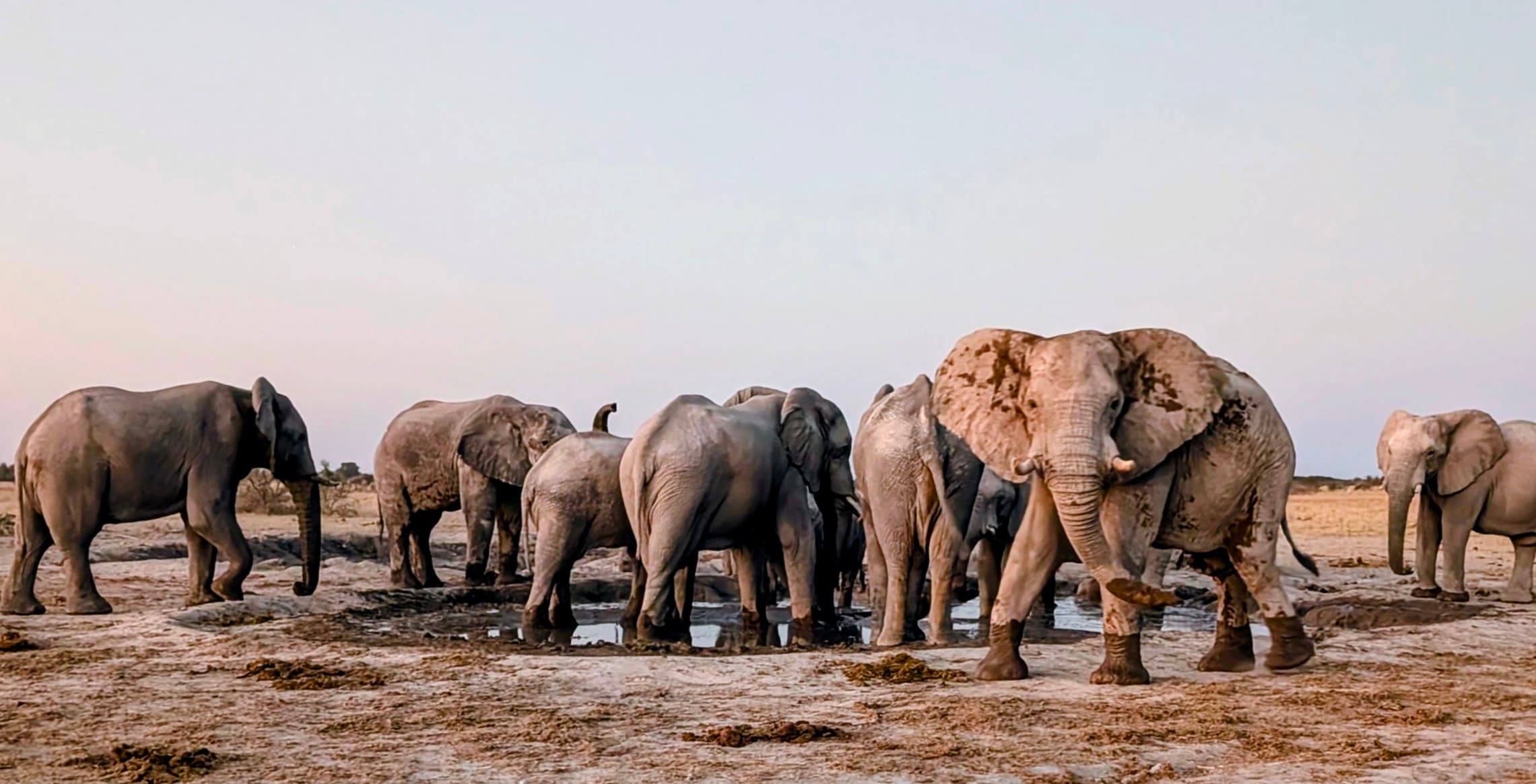
Ancient salt flats
Open skies and the last great migration
About this destination
The Makgadikgadi and Nxai Pans are the remnants of an ancient superlake — a vast, once-flooded basin that dried up thousands of years ago, leaving behind a landscape of shimmering salt flats, fossil shorelines, and wide open sky unlike anything in the Okavango.
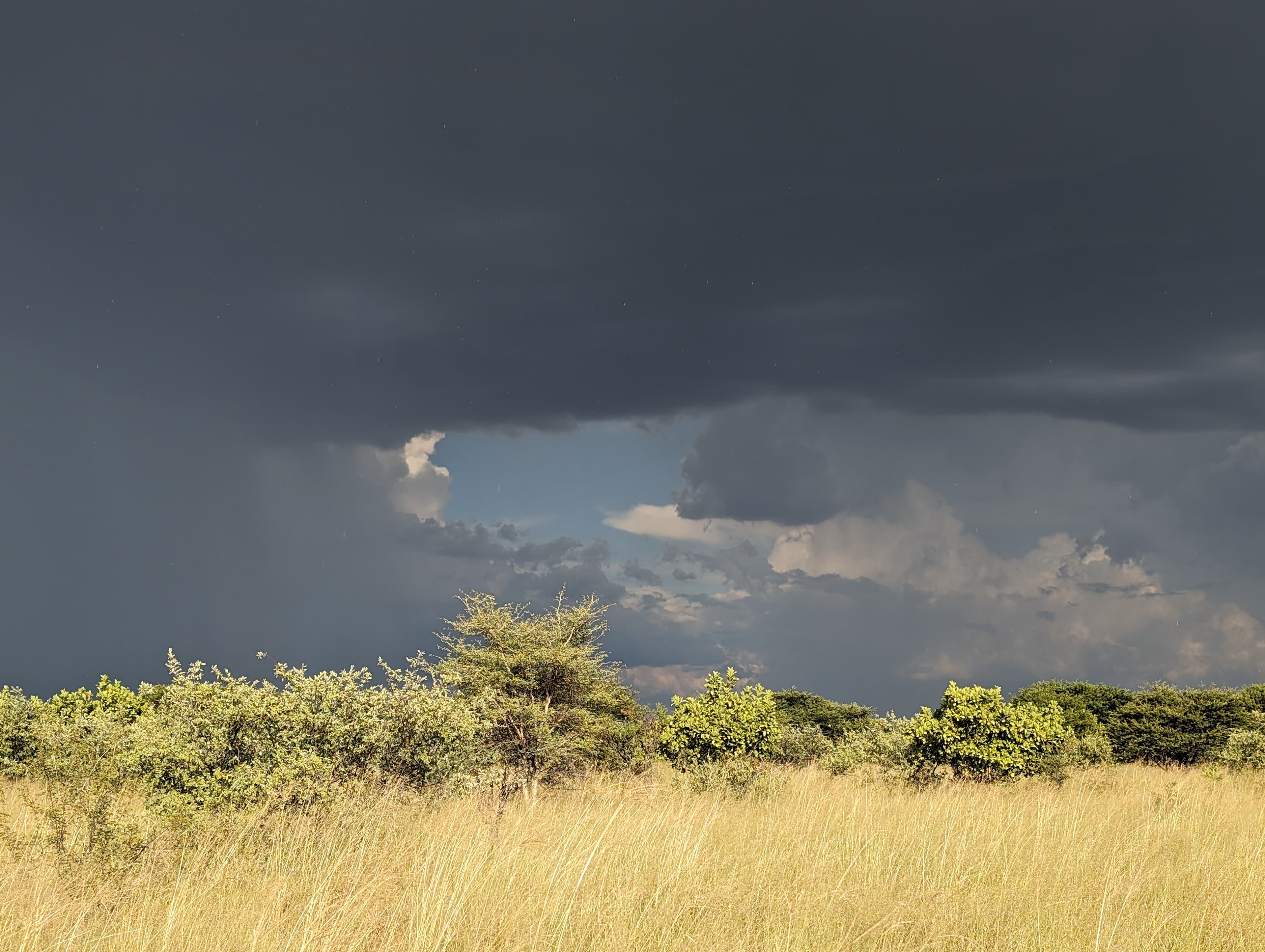
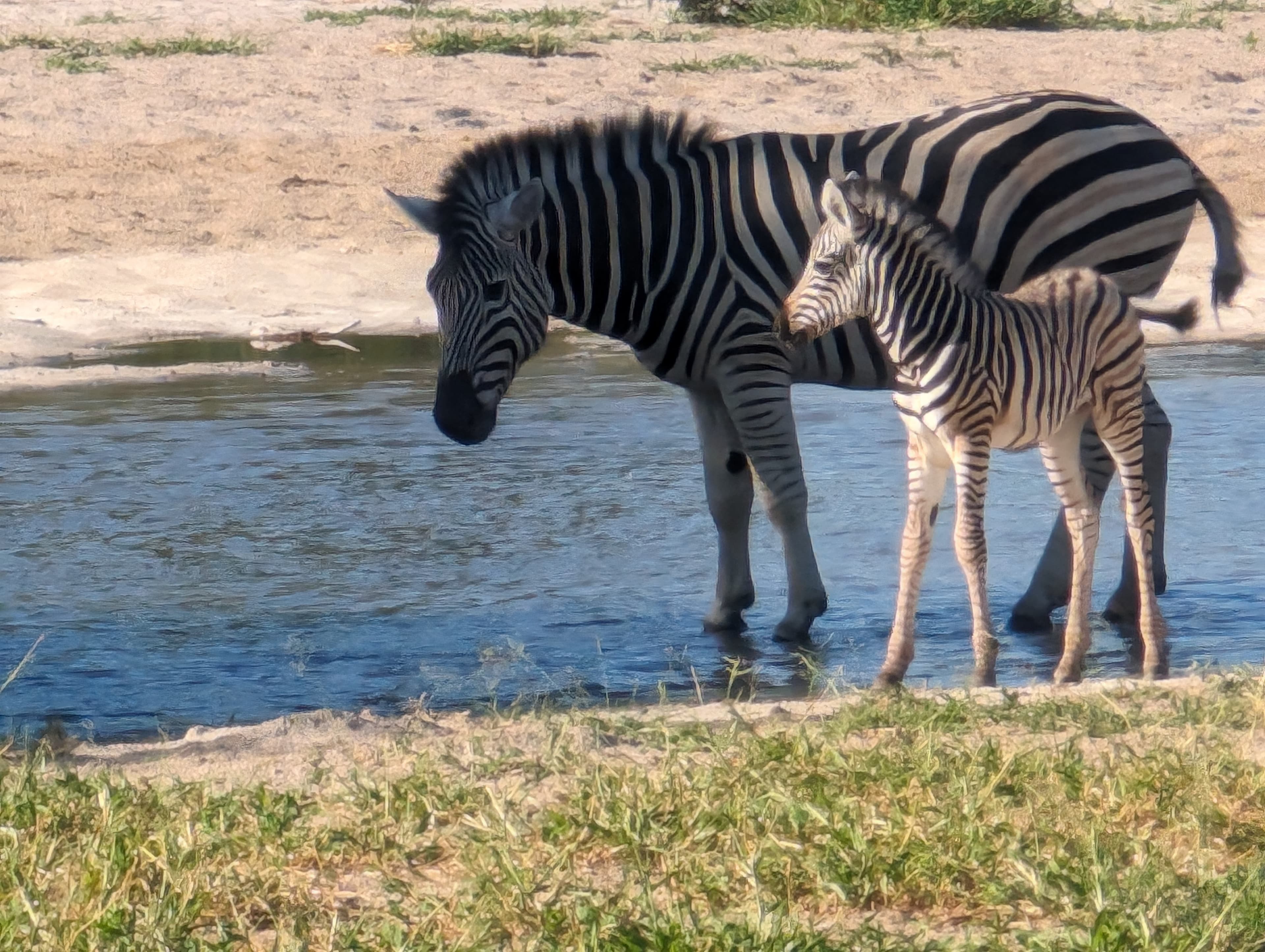
The Makgadikgadi is one of the largest salt pan networks in the world. In the dry season, the pans are bleached white and almost totally bare — hauntingly beautiful, and home to meerkats, brown hyena, and massive flocks of flamingo at the seasonal water pools. In the green season, the transformation is total: the plains flood with fresh grass, and one of Africa's remaining great migrations unfolds as tens of thousands of zebra and wildebeest move across the pans.
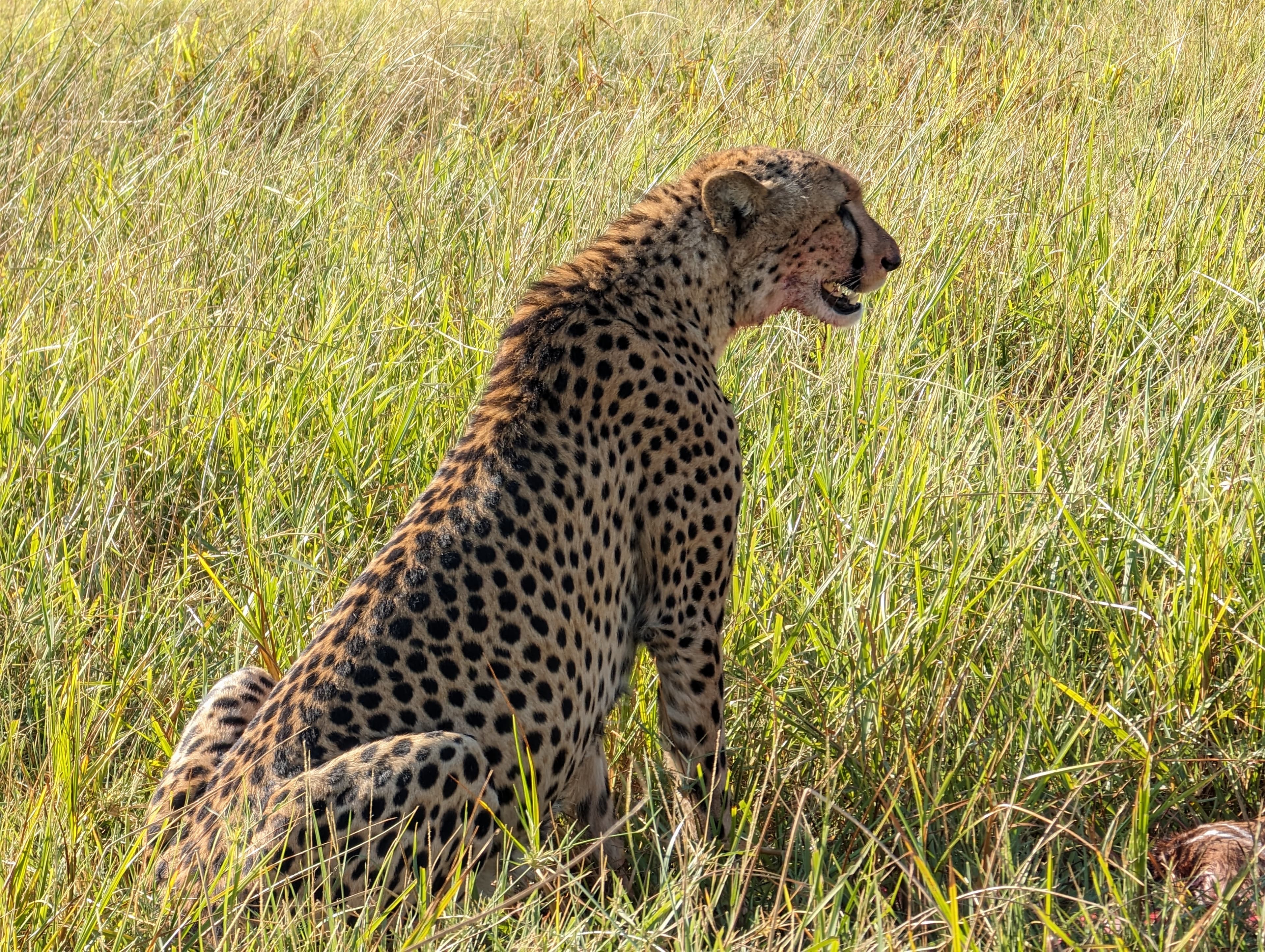
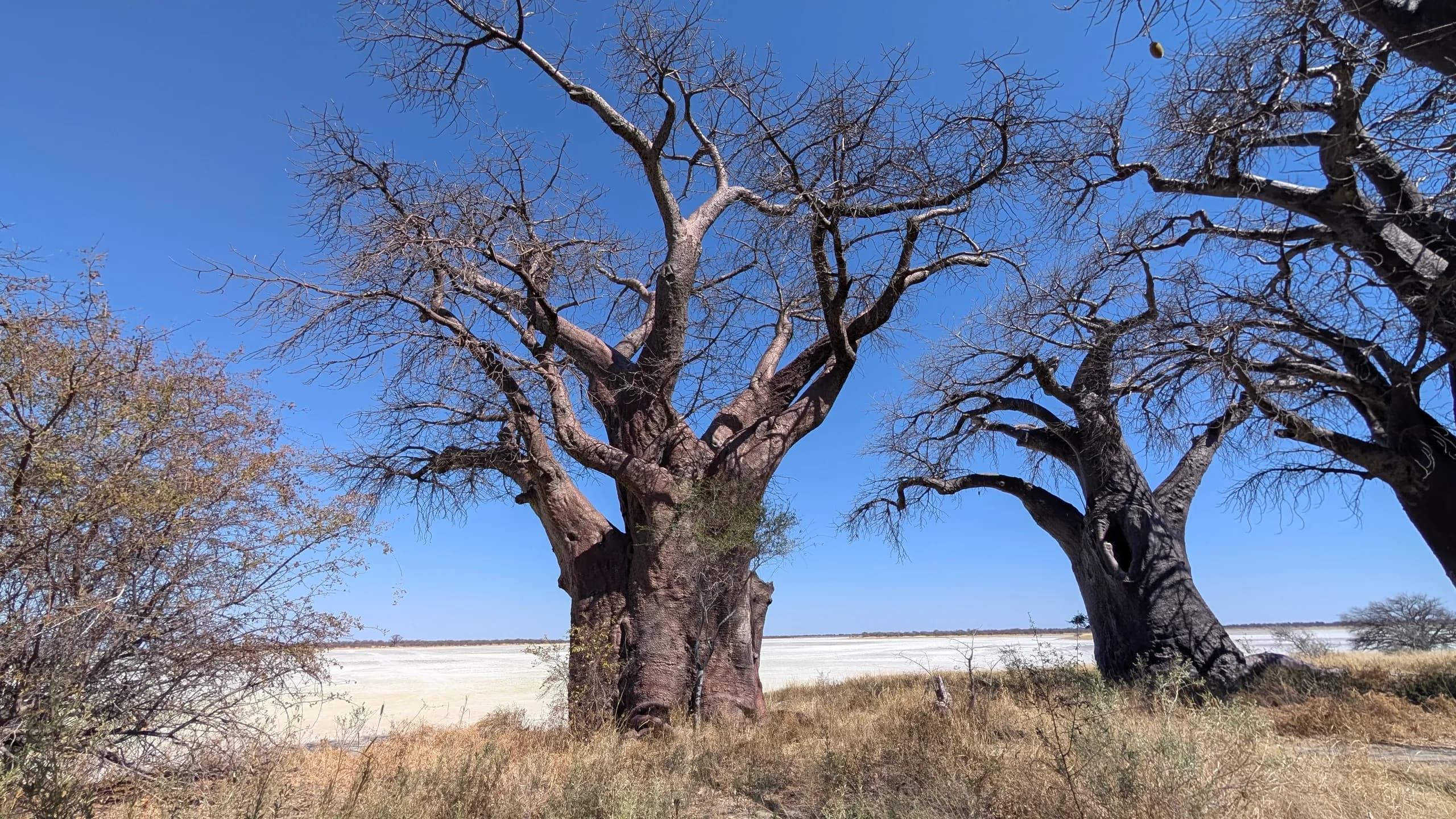
Nxai Pan National Park, connected to the Makgadikgadi in the north, offers an entirely different experience: open grassland, ancient baobab trees, and some of the most reliable cheetah viewing in southern Africa. The famous Baines' Baobabs — a small cluster of ancient trees immortalised in watercolour by the explorer Thomas Baines in 1862 — stand unchanged in the south of the park.
This is Botswana's most otherworldly landscape, and one that rewards the curious traveller who looks beyond the Delta. The solitude and scale of the pans are genuinely difficult to describe — you simply have to stand in the middle of them.
Why come here
One of Africa's last great land migrations passes through the Makgadikgadi each green season — tens of thousands of zebra and wildebeest following the rain.
An iconic cluster of ancient baobab trees painted by Thomas Baines in 1862 and virtually unchanged today. One of the most atmospheric stops in all of Botswana.
Nxai Pan's flat, open grassland is among the best cheetah habitat in southern Africa — perfect conditions for watching hunts from start to finish.
Habituated meerkat groups in the Makgadikgadi allow extraordinarily close encounters at dawn — a bucket-list experience for wildlife photographers.
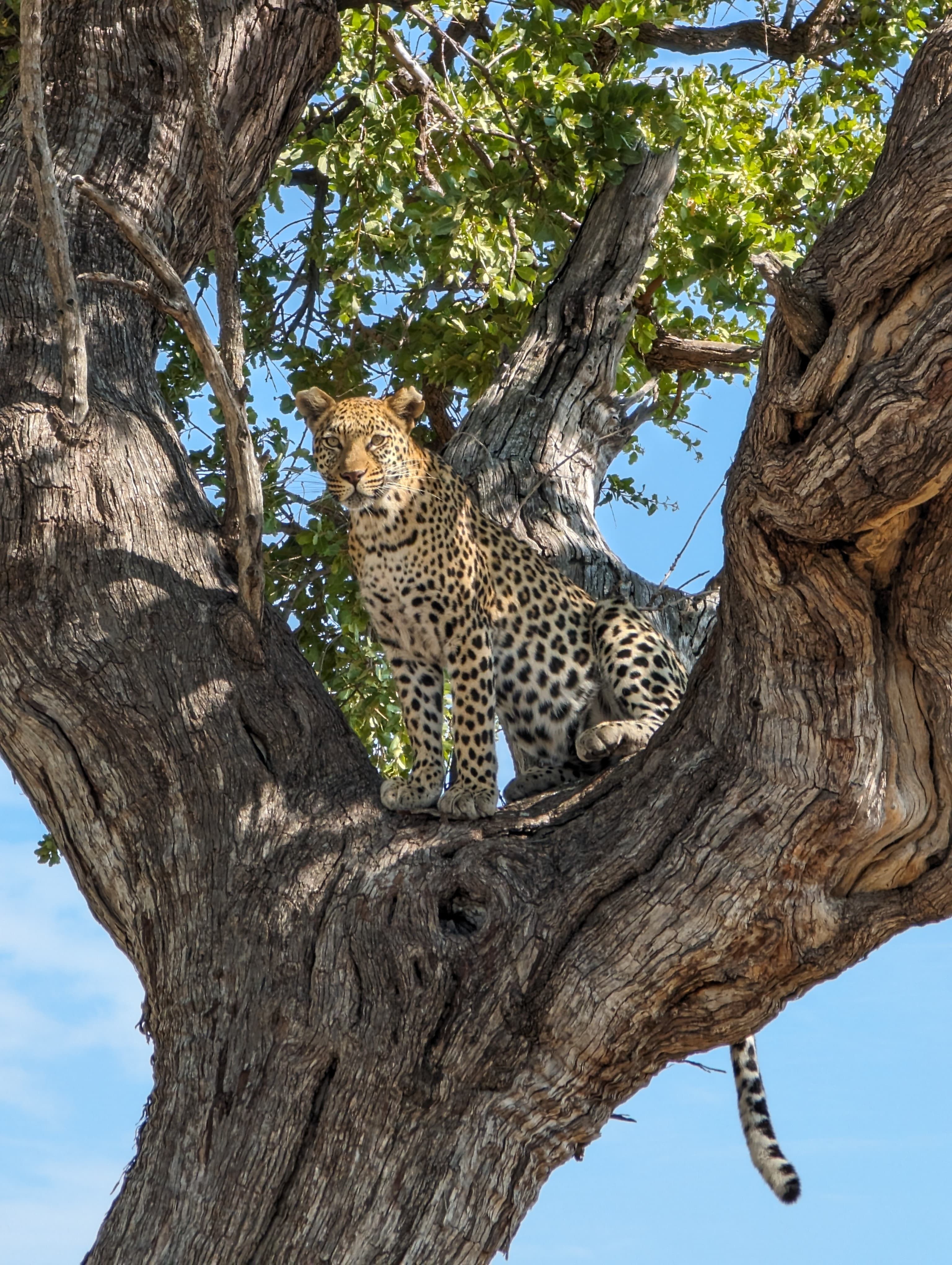
In the field
When to visit
January to April is peak migration season in the pans. The dry season (May–October) offers excellent cheetah viewing in Nxai Pan and the moon-like atmosphere of the dry salt flats.
Ready to experience Makgadikgadi & Nxai Pans?
Get in touch and tell us what excites you about this destination. We'll design the perfect itinerary around your group, dates, and interests.